
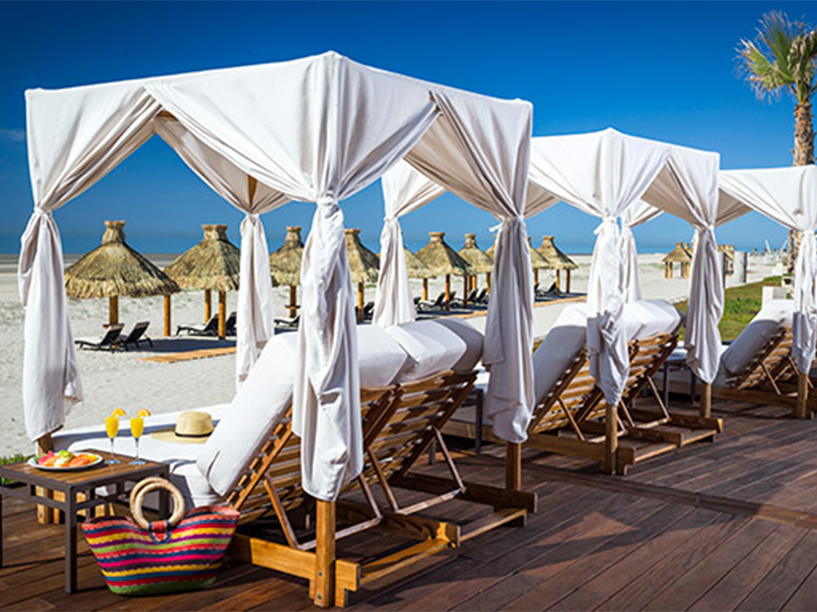
Travel usually sets off a range of feelings. Packing suitcases is exciting; the quiet expectation of new locations is peaceful, and there is hope that everything will go perfectly. Where you stay determines a lot, whether it’s for a weekend trip or a longer vacation. That starts the discussion on the hotel against the resort argument. Although they sound alike, their experiences are really different.
Depending on the type of experience you are seeking, knowing these variations will enable you to make the appropriate decision. There is appeal in both hotels and resorts. Simply said, they fit different moods and have distinct uses.
Let’s break it down in the simplest, most helpful way possible.
What Is a Hotel?
A hotel is often about comfort and convenience. It’s meant for those who require a place to stay while in town for business, a quick adventure, or as a base from which to see surrounding attractions.
Usually, hotels are situated close to train stations, airports, city centers, or corporate districts. For those who are constantly on the road, that makes them perfect. You check in, dump your baggage, then head anywhere you have to be.
Hotels generally offer:
- A clean, secure room to sleep
- Room service or an in-house restaurant
- Daily housekeeping
- A 24-hour front desk
- Basic amenities like Wi-Fi, TV, coffee makers, and toiletries
Some higher-end hotels may also include:
- Fitness centers
- Meeting rooms
- A small pool
- Concierge desks
But overall, a hotel is built around the idea of giving you a place to rest, refuel, and get back to your day.
What Is a Resort?
A resort is built differently. It’s not just a place to sleep—it’s often the destination itself.
Resorts are made for people who want to relax, unwind, and stay in one place for a while. They usually include everything you might need without having to step outside the property.
A typical resort experience includes:
- Spacious rooms or suites, sometimes even villas
- On-site restaurants, snack bars, and cafes
- Pools, spas, and wellness centers
- Organized activities and entertainment
- Nature trails, private beaches, golf courses, or water parks
- Family-friendly programs or kids’ clubs
Because everything is often included in one place, resorts are more focused on leisure. They’re designed to help people slow down and enjoy their time rather than rush from one appointment to another.
How Hotels and Resorts Differ
To make the comparison even clearer, let’s look at their key differences side by side:
- Purpose of the Stay
- Hotel: Ideal for short stays, business trips, and city visits.
- Resort: This means longer stays focused on leisure or vacation.
- Location
- Hotel: Often found in city centers, commercial areas, or near transit points.
- Resort: Typically located near nature spots—beaches, mountains, or scenic rural areas.
- Experience
- Hotel: Functional and efficient, helps you get things done.
- Resort: Relaxed and activity-filled, designed to help you unwind.
- Amenities
- Hotel: Offers basic services with some extras.
- Resort: Offers a wide range of facilities for dining, entertainment, and relaxation.
- Atmosphere
- Hotel: Businesslike, simple, often formal.
- Resort: Lively or serene, more laid-back and casual.
- Length of Stay
- Hotel: Usually for shorter stays (1–3 nights).
- Resort: Often for extended stays (3+ nights or even a week).
Choosing What’s Right for You
What you require from your trip will determine if a hotel or a resort suits you. A hotel fits you whether your conference attendance demands boarding a flight the following morning, you spend most of your time outside the property, or both. It provides a hot shower, a nice bed, and satisfaction knowing you are near where you must be.
A resort makes more sense if you want downtime, like to spend languid afternoons by the pool, vacationing with family, and want everything in one location. You don’t have to go anywhere if you don’t want to. Everything is already there.
Pros and Cons at a Glance
Here’s a quick summary that can help you weigh your options easily:
Hotels
Pros:
- Affordable options available
- Convenient for short stays
- Located close to city attractions and transport
Cons:
- Fewer amenities
- Less space and privacy
- Limited activities on-site
Resorts
Pros:
- More facilities under one roof
- Entertainment and dining on-site
- Great for family or romantic trips
Cons:
- It can be more expensive
- Not ideal if you want to explore a city
- Some resorts are far from urban areas
Final Thoughts
Every trip has a story. Some are quick chapters, filled with early flights and late-night meetings. Others are slower, richer, full of time spent watching sunsets or taking long walks with no destination in mind.
Both resorts and hotels have a part to contribute to these narratives. One allows you room to move; the other allows you room to relax. Understanding the differences improves your decision-making. And when your trip fits your mood, it becomes more than just a trip—it becomes a memory you carry long after you’ve unpacked.

